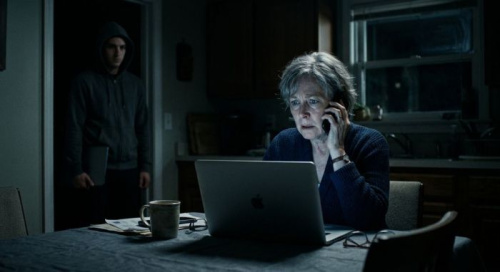
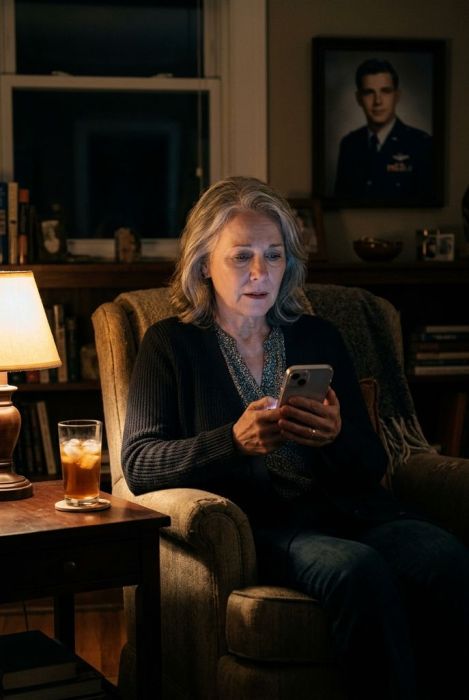
Veronica Quinn met him the way so many lonely people meet these days — on a dating app, at midnight, with the house too quiet and the television turned on for company. She was sixty-two, a retired high school librarian from Tucson, Arizona, three years past the funeral of her husband Ray. Most nights she scrolled without real interest, swiping past faces that all seemed to want something from her. Then his profile appeared: a handsome man in an Air Force dress uniform, gray at the temples, kind eyes behind round glasses, and a name that felt like a promise. Colonel Marcus Webb.
He wrote to her the very next morning, and his first message was gentle. It began with a compliment about the photograph she had posted, the one standing in front of the desert sunflowers. He said she looked like a woman who had loved deeply and lost, and that he understood that grief better than most. He had buried his own wife six years earlier, he told her. His two daughters lived in San Diego. He was stationed in Qatar, running logistics for a humanitarian mission, and because he worked the night shift he could keep her company at the hours when the house felt emptiest.
Veronica liked that he was patient. He never rushed her. He asked about her grandchildren and the old library where she had worked for thirty years and the cufflinks her husband used to wear. He remembered that she drank chamomile, that her hip ached when the weather turned, and that she had said yes to Ray on the porch of their first little house. It felt like being truly seen again, the way she had not felt since the funeral. Within a month she was falling asleep smiling and reaching for her phone first thing each morning to see if he had written.
By the second month he told her he loved her. He sent recordings of himself reading poems in a low, warm voice, and she played each one several times. He described the home they would share, a place with a porch where they could drink coffee in the early sun. But whenever she asked him to video call, there was always a reason. The satellite link was down. His camera had cracked in an exercise. He could not bear for her to watch him tired and worn out. He wanted her to see him whole, at the airport, when he finally came home. She cried at how carefully he guarded that moment.
Veronica had spent her whole career sorting truth from forgery in ancient library records. She had sharp instincts for the false. Yet she did not use them here. She pushed aside every doubt because she wanted Marcus to be real. That is the whole of how it happens. Grief opens a single small window, and someone who means you no good slips in. When he told her that his deployment had been lengthened, and that he needed money to book an earlier flight home so they could finally be together, she agreed. A little first. Then more, for the official reunion papers. Then a large amount, because one of his daughters was sick in a clinic in France, and the hospital would not release her until the bill was paid.
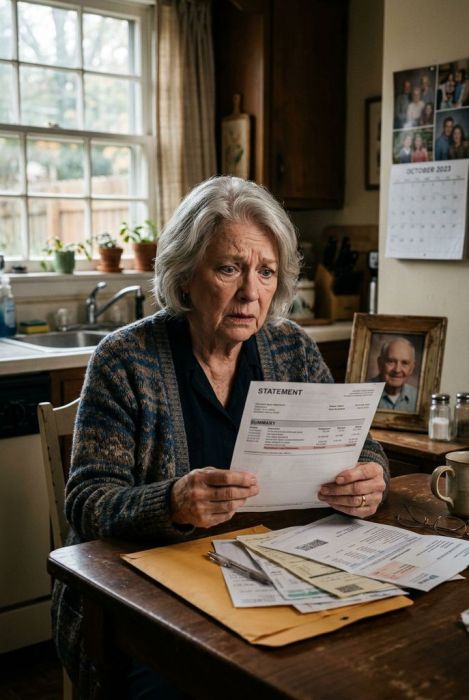
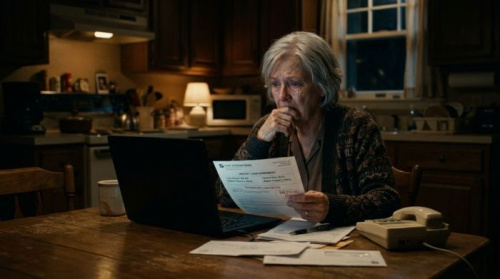
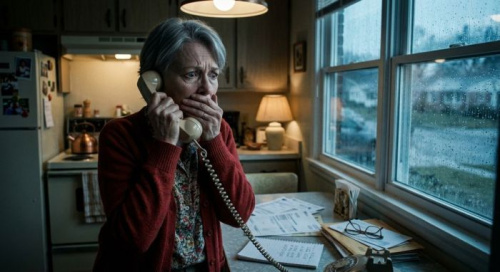
She sent the money through services that asked few questions. And because she had promised herself he would pay it back, she never counted. Not when she dipped into the emergency fund. Not even when she emptied the account Ray had set aside for their grandchildren. Each time she pressed send there was a cold taste in her chest, and she told herself the cold was love. It was only on a sleepless night, when she lined up every transfer on the back of an envelope, that her hands began to shake and she finally saw the whole number.
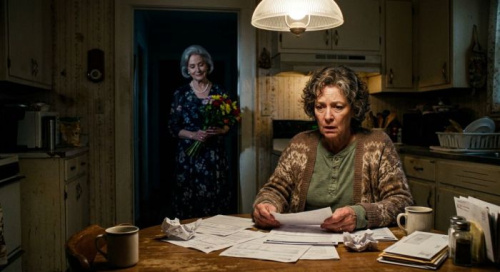
Still she told no one at once. Shame held her down. She had given that man everything and had never once seen his face move. It was her niece, Nora, the one who came every Sunday, who finally broke the silence.
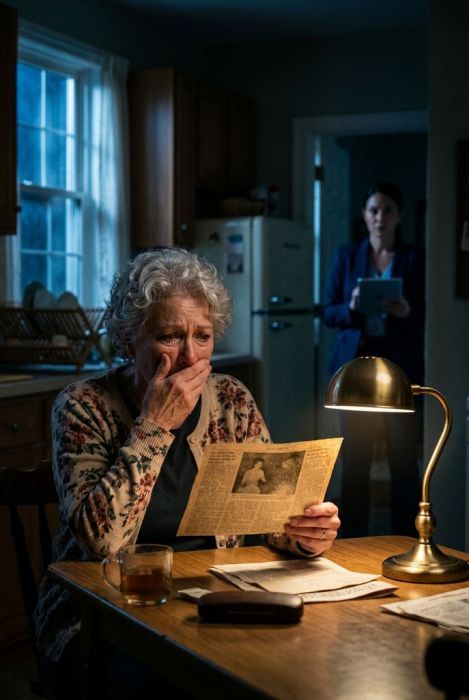
Nora was a young paralegal who had moved back to Tucson a year before. She found her aunt on a warm afternoon bent over her phone. When she asked, Veronica smiled and showed her Marcus. Nora laughed along and asked a couple of gentle questions. That evening, in her car, she typed his name into a search box and turned up exactly one hit: a memorial notice in a small Alabama paper. No colonel. No mission. No Qatar. The photograph on the dating profile was a borrowed dead man's face.
Nora did not drive home. She went straight to her aunt and sat with her on the couch. "Honey," she said softly, "he's not real. He never was. This is a romance scam." Veronica began to protest, and Nora held up the phone, the same young gray face on the tribute, and the whole cold truth sat between them. And that is when Veronica did not harden. She opened, and she talked about sleep, and about the money and the wanting, and how she had told herself she was too old to believe it, and still she had.
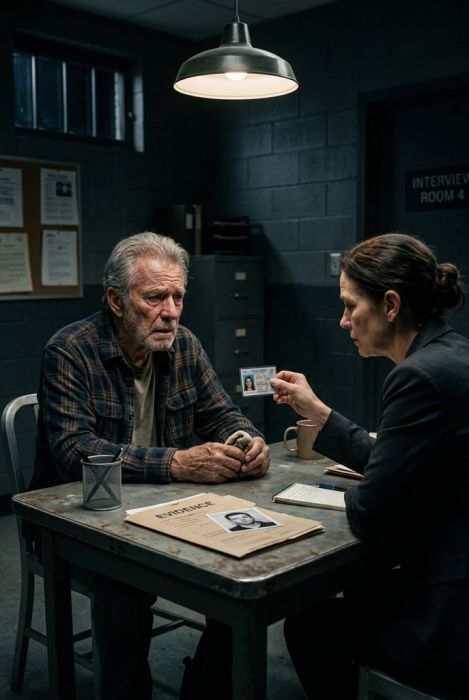
The next morning Nora drove her to the police, and the case went to the federal internet crimes task force. There she met a patient detective named Denise Parks, who walked her through what the crime actually is. The photo is always stolen, sometimes from the grave. The love is always golden. There is a manufactured emergency at the exact moment you hesitate. And everything sent leaves the country and cannot be recovered, no matter how sweet he promises or how loudly his heart breaks.
Veronica listened. When the detective asked if she had questions, she said one thing only. "Then teach me. I want to help other women."
Over the months that followed she did. She learned reverse image search, message patterns, the routing of the cards. When women called the line with the same story, Denise sometimes handed them to Veronica, and she shared the kindness that had been shown to her, without judgment, without a single note of shame. The man was never caught. These operations live abroad and fold as soon as they are seen. But she helped freeze two sets of accounts and stood beside a dozen women who trusted her in a way they should never have had to trust a stranger.
Veronica got none of her money back. Some losses are permanent. But on the first Saturday of spring, she stood on the small stage of the senior center, in front of forty women, and told her story in her soft librarian's voice, with no blame in it. She held up the borrowed face and read one beautiful message aloud, and asked those women to feel whatever it made them feel, and then she showed them what it had bought. They left quieter than they came. And if just one of them, on a lonely Tuesday, paused before wiring money to a voice she had never seen, then that one quiet pause was worth more than everything the scammers had taken from her.
For the truest thing she learned that spring is that a shadow is never a love. A shadow can only warn. And now she knew in her bones it was enough to walk past one in the open sun.