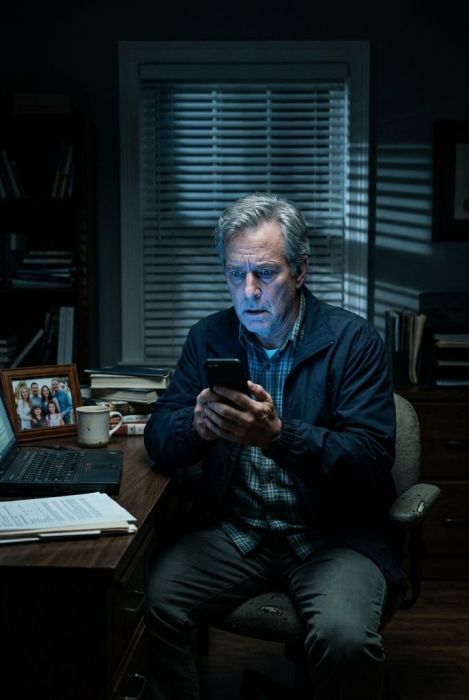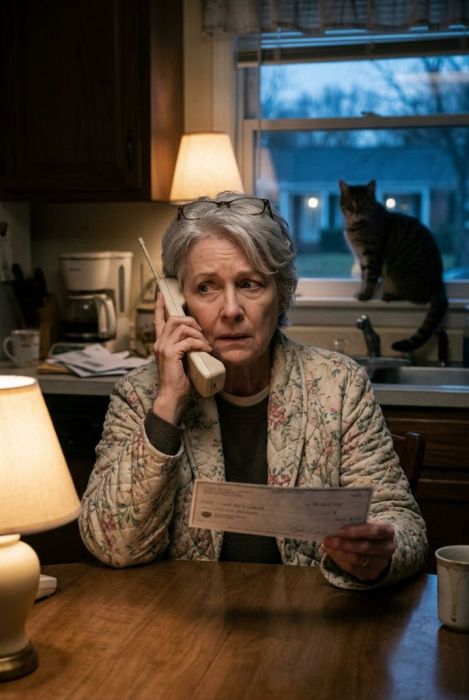
Margaret Osei had spent thirty-one years as a nurse, and she knew the sound of a genuine emergency. So when the phone rang that Tuesday afternoon in her quiet Des Moines bungalow, she answered it the way she always did, expecting a pharmacy, a neighbor, perhaps one of the grandkids. The voice on the other end identified itself as the Medicare Help Desk, and it asked, politely and with just the right amount of urgency, about her new identification card.
She did not hang up. That single decision would unravel the next eight months of her life, strip her of her retirement savings, and very nearly take the house she had paid off with twenty-seven years of mortgage payments. She was sixty-eight, healthy, careful with her money, and certain she was too smart to be conned. What she did not yet understand was that the most believable scams do not attack your fear. They attack your trust.
This is a story about identity theft. It is about the quiet way a stranger can borrow your name, your social security number, and your entire financial life without you knowing until the damage is already done. It is written for every older American who has ever answered an unexpected call from a benefits office, a bank, or a government agency, and for every child who worries about a parent who is too trusting. Because the truth is, the warning signs are always there, hiding just beneath the surface of an ordinary Tuesday.
The woman on the phone introduced herself as Representative Linda Park from the Medicare office in Chicago. She had a warm, efficient voice and she knew things she should not have known. She knew Margaret's full name, her address, her birth date, and the fact that she had been enrolled in Original Medicare since 2015. She explained, with a practiced note of concern, that there had been a data breach and that Margaret's card was being replaced.
All she needed, Linda said, was for Margaret to confirm a few details to verify her identity and activate the new card. The social security number. Then the last four digits of her bank account, so the billing office could update its files. Then, almost as an afterthought, her mother's maiden name, an answer to a security question. Each request sounded harmless, routine, and entirely necessary. Each request felt like part of helping a misunderstanding get fixed.
Margaret hesitated once, on the bank account. She had read articles about scams like this, warnings from her credit union, pamphlets in the waiting room. But Linda was so calm, so official, and she had already recited back Margaret's own medical history with unsettling accuracy. So Margaret gave her the details, told her they could call back if they needed anything else, and hung up believing she had done the responsible thing.
The first sign came ten days later. A charge appeared on her credit card statement for a store in Phoenix, Arizona, four hundred and twelve dollars' worth of electronics she had never bought. Margaret called the credit union, disputed it, and thought nothing more of it. Then came a second charge, then a third, small enough to seem accidental, spread across different cards and different states. A gas station in Nevada. A mattress store in Tampa. A prepaid phone purchased in Ohio.
She did not connect these dots to the phone call, because she had buried that conversation in a corner of her memory where uncomfortable things go. She told herself it was identity theft, yes, but from some distant criminal syndicate, some faceless hacker in another country. She never imagined that the person who had her information was closer, smarter, and far more patient than any foreign scammer. She never imagined they were still using her name, little by little, to build something far more dangerous than a few stolen purchases.
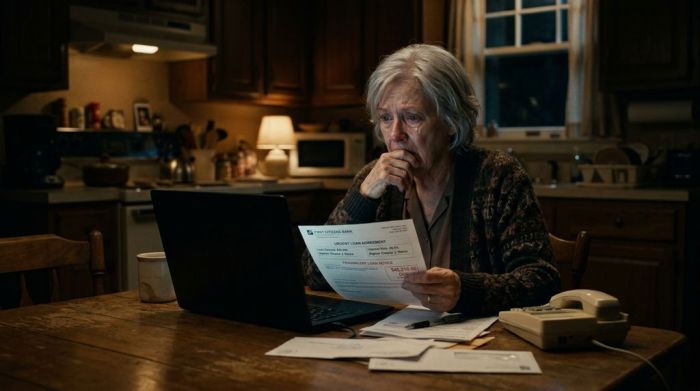
The trouble began in earnest when she tried to refinance her bungalow. The roof was leaking, and she wanted a modest home equity loan to have it replaced and to update the electrical wiring. She had always kept good credit, the kind of quiet, reliable credit that makes banks smile. So when the loan officer at First Prairie Bank grew quiet on the other end of the line, Margaret felt a cold knot tighten in her stomach. He asked her, gently, whether she had recently refinanced, whether she had opened any new credit cards, whether she had taken out a personal loan in the last year.
She had not. When she said so, he told her to come in, and to bring identification. He did not say, over the phone, what his screen was showing. But Margaret heard the professional caution in his voice, the careful way he measured his words, and she knew, with a sick certainty, that something was deeply wrong.
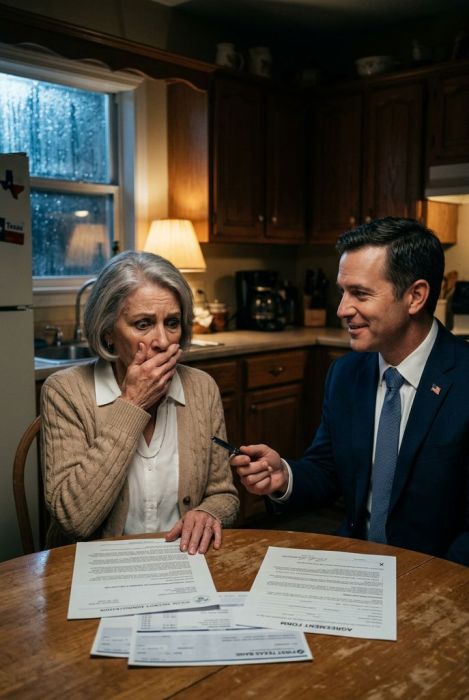
The loan officer, a young man named Derek, printed out twelve pages of records and spread them across his desk like evidence at a trial. There was a mortgage on a property in Wichita, Kansas, taken out in her name four months earlier. There were five new credit cards with balances totaling nearly forty thousand dollars. There was a personal loan for twenty-five thousand, and a car loan for a vehicle she had never seen, a silver sedan registered in Texas. And there was a report from a credit bureau showing inquiries from lenders she had never contacted.
Her face did not change, and that was the part that haunted Derek. She sat very still, in her comfortable cardigan, her hands folded on the desk, and she listened to the entire inventory of a life she did not own. When he finished, she said, very quietly, "Somebody has been me."
The police were sympathetic and mostly helpless. Identity theft cases move slowly, and the trail crossed so many jurisdictions that no single detective owned it. A specialist in the fraud unit took her statement, gave her a case number, and told her to freeze her credit, file reports with the three bureaus, and be patient. Margaret did all of it. She froze her credit. She filed the reports. She made a folder. And she waited, the way she had waited for test results all her nursing career, with grim professional calm.
But the fraud did not stop. It got worse. A notice arrived from a collection agency demanding payment on a medical bill, a hundred and sixty thousand dollars, for surgeries she never had, at a hospital network in Dallas. She thought it was a billing error, the kind she had seen a thousand times, and she called to dispute it. The representative on the other end was patient at first, then confused, then alarmed, because the person receiving treatment at that Dallas hospital had a photograph in the file, and the photograph was of Margaret's own face.
Only it was not her face. It was a woman who looked eerily similar, with the same silver hair, the same broad features, a woman who had checked into that hospital using Margaret Osei's name, Medicare number, and social security number, to obtain treatment for a chronic condition Margaret had never had. The woman had even signed a consent form, and the signature, to Margaret's horror, was a passable imitation of her own handwriting.
This was not petty theft. This was a full theft of identity, a coordinated scheme to milk the Medicare system and to drain Margaret's credit in her name. And the more Margaret dug, the more she realized that whoever was doing this had access to more than her social security number. They had her mother's maiden name as an answer to security questions. They had details from her medical records. They knew her birthday, her emergency contact, her pharmacy. Someone had her confidential information, the kind that should only live on official forms.
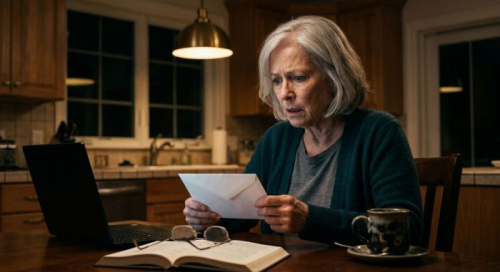
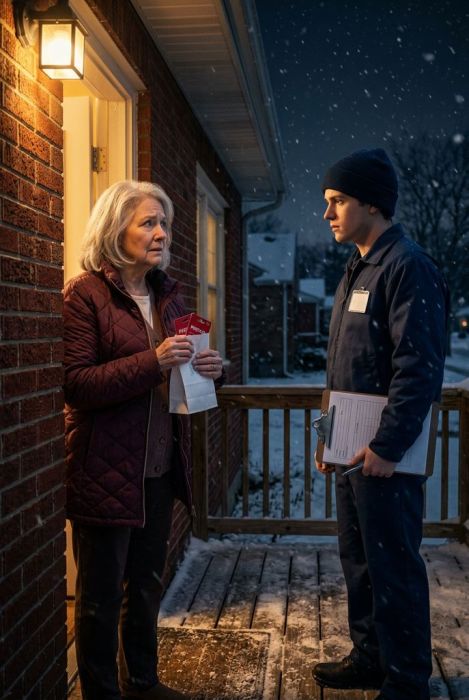
In late November, Margaret opened an unfamiliar envelope. It was from a company in Ohio she had never heard of, and inside was a polished brochure for a "senior life-planning service," along with a bill for a consultation fee she never owed. The logo was clean, the letterhead professional, and the address was a suite in a building downtown. But what caught her eye was the name of the consultant listed on the form, the person who, according to the document, had handled her case. It was a name she recognized. It was the name of the young woman who worked the reception desk at her own doctor's office.
That revelation was the twist that would change everything, and learning it nearly broke her. The friendly receptionist, the girl who always remembered Margaret's grandchildren, who brought her a cup of water when she waited too long, had been quietly collecting the personal details of elderly patients for years. She did not have a mastermind's face. She had a kind one. And she had been selling that trust to a network of fraudsters who used it to steal the identities of the very people who sat in that waiting room, smiling at her.
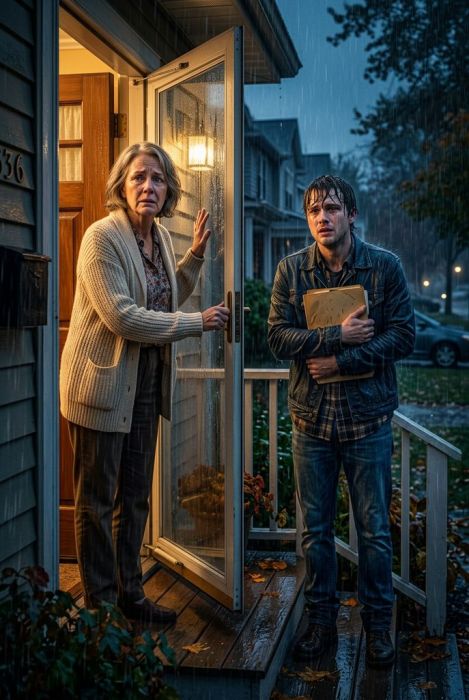
The confrontation happened on a rainy Thursday in the parking lot of the medical building, after Margaret had gathered her evidence and brought it to the police. A detective accompanied her, and together they watched the receptionist walk out of the office, her arms full of files. When Margaret stepped forward and called her name, the young woman froze, and for a long moment the two of them stood there in the drizzle, the retired nurse and the girl she had trusted with her medical history.
The case went to court, and Margaret testified. She told the jury about the Tuesday phone call, about the stack of false records, about the surgeries she never had and the hospital visits that were not hers. The receptionist, whose name was Alexis Reed, was convicted of aggravated identity theft and multiple counts of fraud against a federal health care program. She was sentenced to prison. Margaret did not feel triumph. She felt a hollow sort of sadness, and a gratitude that she had caught the theft in time to save her home.
The house on Maple Street stayed hers, but only just. It took her nearly a year and the help of a patient attorney to untangle the false mortgage, the fraudulent loans, and the medical records that had been poisoned by another woman's treatment. Her credit recovered slowly, like a wound that heals from the inside. And the bungalow, with its leaking roof and its rewired electricity, became a monument to a hard lesson she had been too trusting to learn until it nearly cost her everything.
Every Tuesday since, when the phone rings, Margaret lets the answering machine catch it first. She listens to the voice that follows, and she decides, calmly and without apology, whether to pick up. No government agency, she learned, would ever demand her social security number and her banking details in a single call. No real Medicare office would ever require her to verify herself while pressuring her to stay on the line. And no amount of kind faces behind a reception desk is worth handing over the keys to a life.
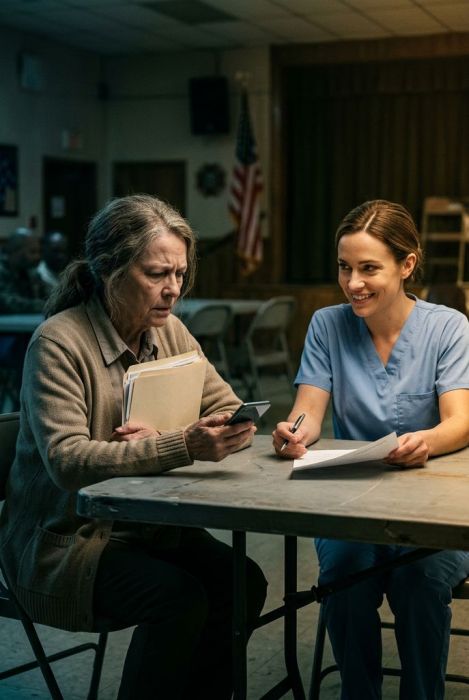
She tells her story now at the senior center, not as a warning shouted from a podium, but as a quiet testimony to anyone who will listen. She tells them to freeze their credit, to monitor their statements, to never confirm sensitive numbers to an incoming call. She tells them that the most dangerous strangers are not the ones who look suspicious. They are the ones who act as if they already know you. And she tells them, with the hard-won authority of a woman who almost lost everything, that it is always worth taking one extra minute to verify the voice on the other end of the line, because that minute may be the only thing standing between you and a life that is no longer yours.