Ray Callahan was seventy-one years old and had spent thirty-eight of those years teaching algebra to teenagers who mostly did not want to learn it. He understood numbers the way other men understood engines or gardens, and he had never met a problem he could not eventually solve with enough patience. What he did not understand was that the biggest problem of his life was sitting right in his own kitchen, smiling at him over a cup of coffee his daughter had brewed that morning.
His name was Derek Brandt, and he was twenty-seven years old, with the easy confidence of a boy who had never been told no. He had come into Ray's life the way most good weather arrives, without warning and without asking permission. Ray met him at the bank, of all places, on a gray Thursday in early March when he had gone in to ask about the interest rate on a certificate of deposit that was about to roll over.
A young man in a pressed navy suit had appeared at his elbow while Ray squinted at the electronic board, and had asked, gently, if he needed help reading the numbers. Ray, who had been reading numbers his entire adult life, had bristled for a moment. Then the young man had laughed at his own audacity, apologized, and introduced himself as Derek from the wealth management office directly upstairs. He had not tried to sell Ray anything that day. He had simply talked to him, walked him to his car, and told him he reminded Derek of his own grandfather who had passed two years earlier.
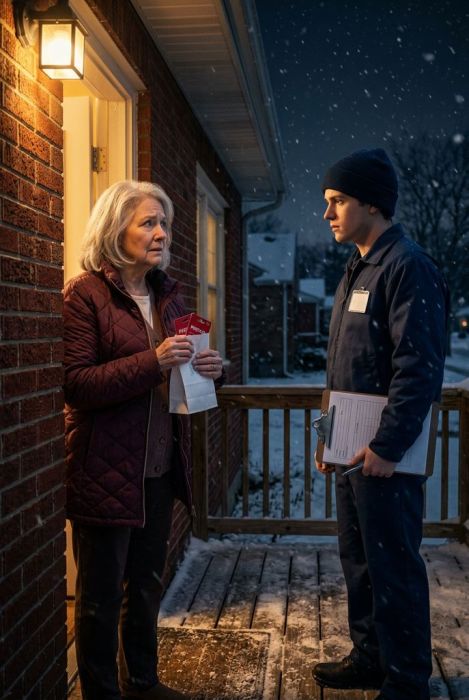
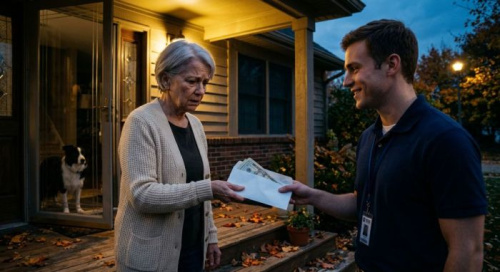
That small flicker of tenderness was the hook, though Ray did not know it then. Derek began stopping by the house with coffee, always at the hour when Ray's loneliness sat heaviest, between the four o'clock news and the early dinner he ate alone. He fixed a loose shutter on the garage and changed the battery in Ray's smoke detector without being asked. He asked about Ray's late wife, Eleanor, and listened when Ray talked, really listened, the way people do when a story matters to them. He even brought a small pot of marigolds once, because Ray had mentioned, offhand, that Eleanor used to plant them every spring.
Within three months, Derek had become a regular presence. The neighbors saw him mowing Ray's small front lawn and carrying his trash cans back from the curb on collection mornings. He learned the names of Ray's granddaughters, asked about their school plays, and remembered the details weeks later, which was the kind of attention that made a lonely old man feel seen again. His daughter, Claire, who lived forty minutes away and was perpetually busy with her own family, was simply relieved that her father had found a friend. She had worried for years about her dad rattling around that house alone, and here was this bright young man, cheerful and respectful, who called her father Pop-Pop with a warmth that seemed entirely genuine.
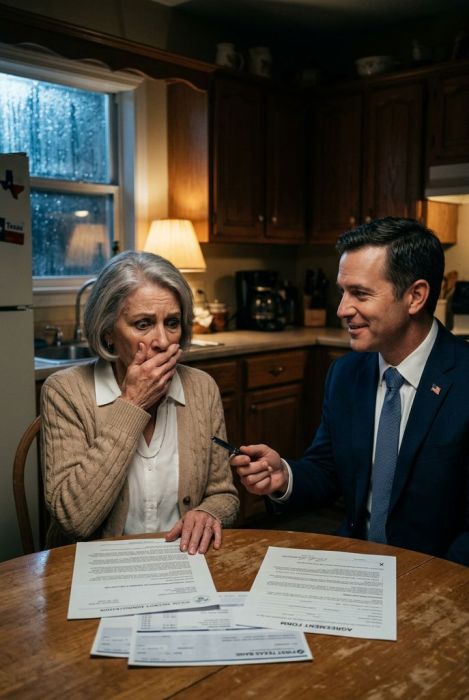
The opportunity appeared in the spring, wrapped in a language Ray trusted. Derek told him about a proprietary trading platform that the big banks did not want ordinary people to know about. It was not a secret, exactly, but it was exclusive, and Derek had access because of his firm's licenses. He showed Ray glowing projections on his phone, graphs that climbed like the sides of mountains, and explained in patient detail how the algorithm worked. Ray, who had a healthy respect for mathematics, asked the right questions. Derek answered every single one of them without hesitation, and that was the trouble. A man who could answer every question had either done his homework or had rehearsed the answers until they sounded like truth.
So Ray opened an account. He started modest, with five thousand dollars that he could afford to lose, because Eleanor had always taught him never to gamble with money he needed. The platform was beautiful, a smooth app with real-time numbers that ticked upward in satisfying increments. He checked it in the morning with his coffee, at noon with his sandwich, and at night before bed, the way he once checked the weather. He showed his daughter the balance one Sunday, and Claire, who was not a numbers person, beamed and told him how proud Eleanor would be. That was the moment Ray realized how much he wanted this to be real.
By summer, the balance had doubled on paper. Derek urged him to think bigger, to move his retirement savings into the platform while the algorithm was hot. Ray hesitated for exactly one night. He stood in the garage beside Eleanor's old gardening tools and had a long, one-sided conversation with her memory, the way widowers do. He told her this was different from a gamble, that it was an investment, that a bright young man who treated him like family would never steer him wrong. Then he transferred his rollover IRA, a sum that represented forty years of careful saving, into the platform.
For three glorious weeks, Ray Callahan was a wealthy man. The app showed him a balance that would have let him buy Claire's family a house outright, that would have paid for his granddaughters' college and left change. He started making plans. He talked about taking his daughter to Italy, about buying a small boat, about all the ways he could finally give something back to the people he loved. Claire listened and smiled, and privately worried, and said nothing, because her father looked happier than she had seen him since her mother died. She would carry that guilt for a long time, the way families always do, wondering if one careful question could have changed everything.
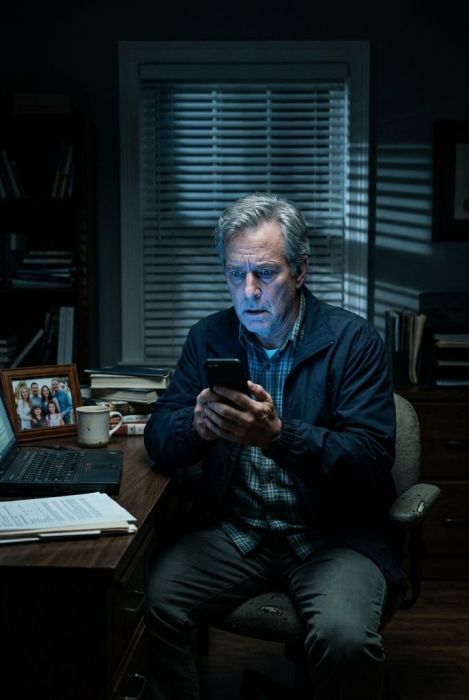
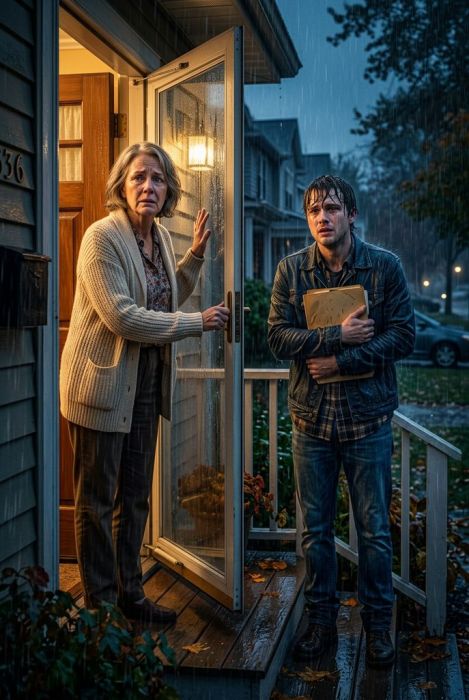
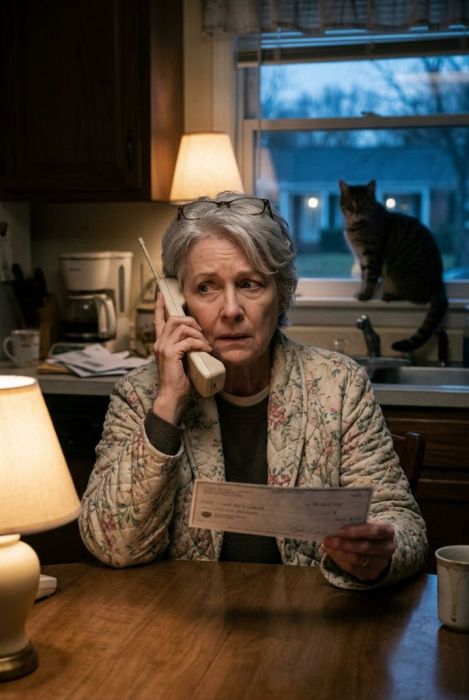
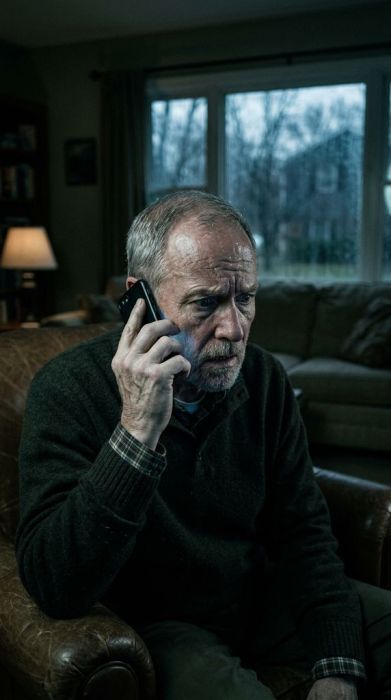
Then, without warning, the numbers went wrong. It started on a Tuesday, with a withdrawal request that the app quietly ignored. Derek called to explain that the platform was doing routine maintenance and that everything was fine, that millions of dollars were moving through the system and his was safe. When Ray tried to withdraw again a week later, the request simply vanished. When he called Derek, the phone rang and rang and then went to a mailbox that was full. The marigolds on the porch had died, Ray noticed, because nobody had watered them. He stood at the window that night and watched his own reflection in the dark glass, an old man who had taught hundreds of students how to detect a false premise, suddenly unable to detect his own.
It was Claire who made the discovery that unspooled everything. She came by on a rainy Saturday with a casserole, found her father staring at a frozen screen, and decided, gently but firmly, to drive to the wealth management office herself. The address was a small suite above a pawn shop, and the polished brass plaque outside it was the only real thing about the operation. A frightened receptionist, herself only a few weeks into the job and owed back pay, let Claire see the records. There was no trading platform behind the glowing app, no algorithm, no equity. Derek Brandt had built a beautiful, hollow theater, and the man who called him Pop-Pop had been its only audience.
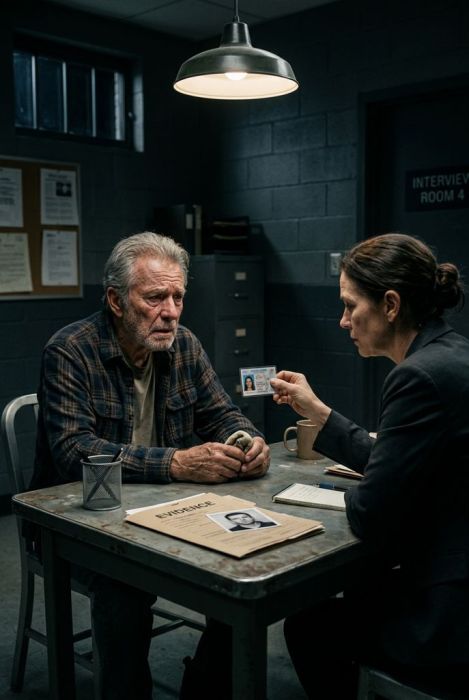
The twist, the part that stuck in Ray's throat for months afterward, came at the police station. The detective, a tired woman named Sergeant Verma, pulled up a photograph of the young man in the navy suit and asked Ray if he recognized him. Ray said of course he did, that was Derek. Sergeant Verma showed him a second photograph, a driver's license from six years ago, and the name beneath it was not Derek Brandt. It was Daniel Rourke, and he had served eighteen months for a similar scheme in Illinois, using the same warm smile and the same patient voice. The grandfather he spoke of so fondly had been a prop in a script he had performed before.
Ray Callahan did not cry when he learned that his money was gone, because math, in the end, is honest. He had been shown a ledger that looked real, so he had believed the ledger. But he did cry, privately, in the dark of his bedroom, when he understood that the thing he had lost was not the money at all. It was the illusion that he could not be fooled, that a man who had spent his life teaching others to see through false premises could be so completely and so lovingly deceived.
Derek, or Daniel, was arrested a month later in a rented condo in Florida, after emptying the accounts of six other elderly clients the same way. A judge dismissed the theatrical remorse in his courtroom statement as precisely the performance it was. Ray was called to testify, and he stood straight in the witness box, an old teacher giving one final lesson to a boy who had never wanted to learn it. He looked at Daniel Rourke and saw, for the first time, nothing at all of the young man who had watered his flowers.
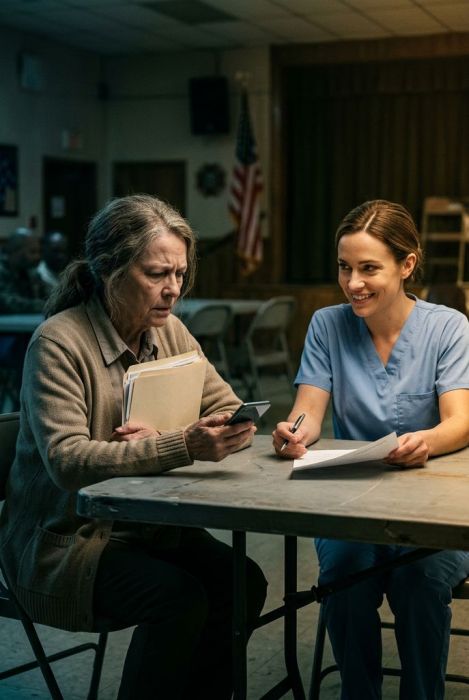
In the months that followed, a strange thing happened. Claire moved her father into a small apartment close to her own home, over his loud and half-hearted protests. Neighbors who had waved at the friendly young man in the navy suit now asked Ray, carefully, how he was doing. A local consumer-protection group asked him to speak to seniors about what had happened, and Ray, who had spent a lifetime talking to people who did not want to listen, said yes.
The story he tells now is not a lecture about algorithms or wire transfers. It is about a widower who was lonely, who mistook kindness for competence, and who let a stranger fill a chair that belonged to his family. Ray does not tell people to be cynical, because he is not cynical. He tells them to verify, to call the bank themselves, to make a grown child sit beside them before they sign anything. He tells them that the friendliest person at the table is not always the one who deserves their trust, and that a real financial advisor will never ask you to keep a good thing secret from your family.
On the night before his first speaking engagement, Ray found Eleanor's old garden trowel in a box of things Claire had packed, and he held it for a long time. He told her, quietly, that he was sorry, and that he was going to be all right. He told her that he had learned, at the end of his life, the one lesson he had somehow never managed to teach her: that a real investment is not measured on a screen, but in the people who show up, and stay, and are truly there when the numbers lie.